
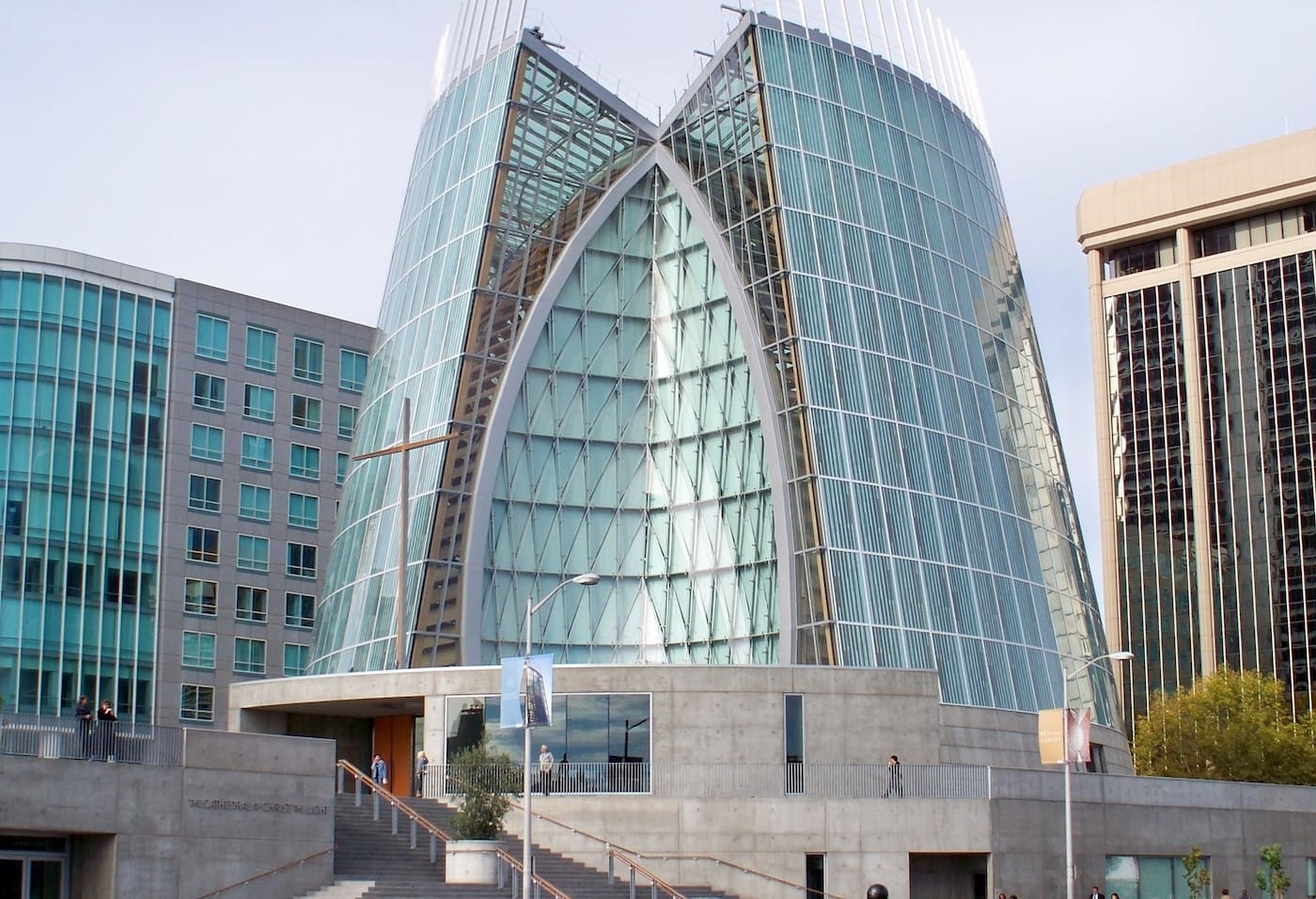
A federal judge has rejected the Oakland Catholic Diocese’s fourth bankruptcy plan, finding that its case for special treatment and some financial estimates fell short, sending the diocese and sexual abuse survivors back to negotiations.
In his 109-page decision Friday, US Bankruptcy Judge William J. Lafferty rejected the Roman Catholic Diocese of Oakland’s latest proposal for resolving hundreds of sexual abuse claims, ruling that the diocese had not made the case for approval. As the Chronicle reports, the plan was opposed by a nine-member committee representing abuse survivors, who argued that the diocese had undervalued its property and other assets.
Lafferty specifically rejected the diocese’s argument that its status as a religious institution warranted special consideration in the bankruptcy process. He said the church was not entitled to be treated “differently or more leniently” than another nonprofit or business going through bankruptcy.
According to the Chronicle, the judge also questioned financial figures used in the plan, including the estimated value of the diocese’s real estate and the amount it expects to owe abuse survivors. The diocese has churches, cemeteries, and other properties throughout the East Bay that the survivors’ committee says could be worth more than the church has acknowledged.
As SFist reported previously, the diocese filed for Chapter 11 bankruptcy in 2023 after being hit with hundreds of lawsuits alleging sexual abuse by priests dating back decades. At the time, bankruptcy documents estimated its liabilities at between $100 million and $500 million, with the diocese facing settlements involving 330 abuse survivors.
The bankruptcy case became even more contentious in 2024, when the diocese was accused of concealing more than $106 million in assets that could otherwise have been available to compensate survivors.
The Chronicle reports that Lafferty acknowledged that the diocese’s fourth proposed plan represented “a significant effort to provide meaningful compensation to Abuse Survivors while continuing its religious mission.” But after more than three years of proceedings, the case has yet to result in any payments to the survivors.
Jeff Anderson, an attorney representing survivors, called the ruling a victory.
“For over three years, the Bishop and his … bankruptcy lawyers have deployed hardball tactics to further oppress and suppress justice, truth and transparency that the survivors seek through the creditors committee,” Anderson said in a statement.
The diocese has also been making changes to its operations while the bankruptcy case drags on. This spring, it announced plans to close 12 parishes and its pastoral center.
Oakland Bishop Michael C. Barber called the ruling “a set back,” while saying the diocese remains committed to reaching a resolution with survivors and continuing its work serving the roughly 500,000 Catholics in the diocese.
Per the Chronicle, the Oakland case comes as other Bay Area Catholic dioceses have reached major settlements over clergy sexual abuse claims. In June, the Archdiocese of San Francisco agreed to a $400 million settlement with survivors.
Lafferty ended his decision by encouraging the diocese and survivors to return to negotiations, suggesting that his ruling could help guide them toward a plan that satisfies both sides.


