
This story is part of the WHYY News Climate Desk, bringing you news and solutions for our changing region.
From the Poconos to the Jersey Shore to the mouth of the Delaware Bay, what do you want to know about climate change? What would you like us to cover? Get in touch.
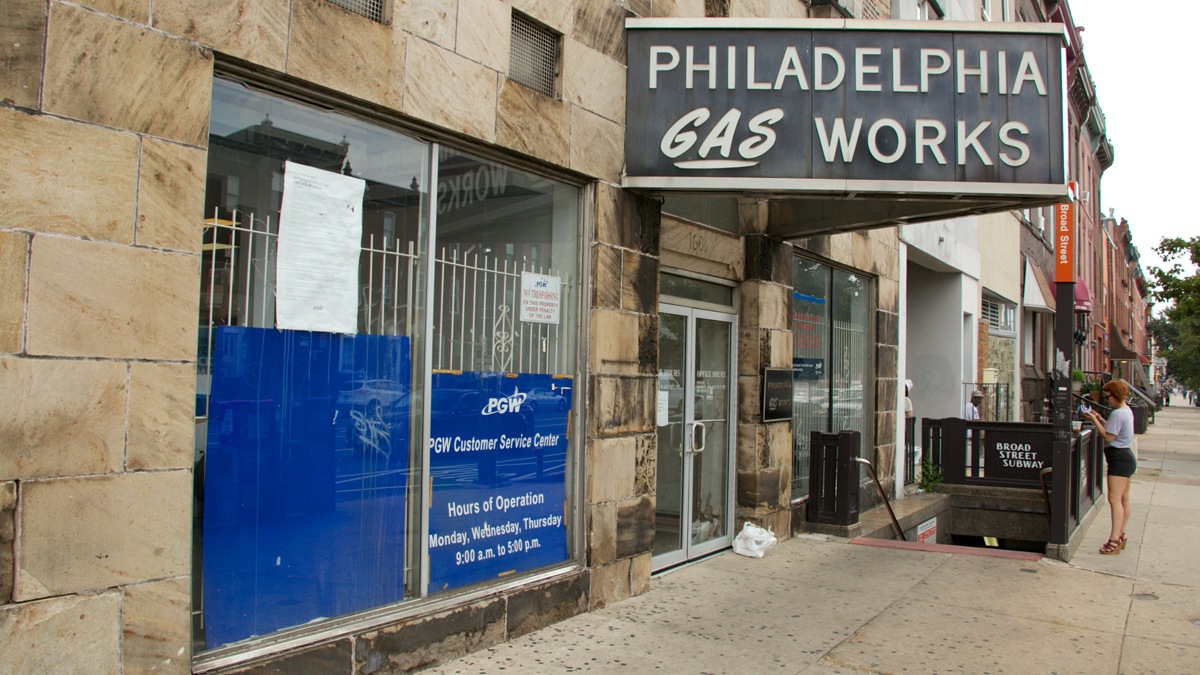
Philadelphia Gas Works is upgrading its distribution infrastructure to reduce its climate pollution.
PGW has started replacing 27 old valve components at nine metering and regulating stations, which control gas pressure through its pipelines, using a $1.1 million grant from Pennsylvania’s Reducing Industrial Sector Emissions in Pennsylvania program that the state announced in April. PGW expects the project will cut climate-warming methane pollution from these stations in half and improve local air quality.
“PGW is actively reducing its carbon footprint, and we continue to upgrade our infrastructure to help reduce energy use and greenhouse gas emissions,” Janelle Johnson-Grummert, PGW’s director of sustainability, said in a statement.
PGW, the largest municipally owned gas utility in the country, contributes 21% of Philadelphia’s total greenhouse gas emissions. Most of this comes from the use of its gas in homes and businesses, not its infrastructure that includes these new valves.
Methane, the primary component of the natural gas PGW distributes and sells, is a powerful greenhouse gas when released to the atmosphere. Gas releases, including those from the old pressure-regulating valves, make up 3.5% of the direct carbon emissions from PGW’s facilities and infrastructure, according to the company. Larger sources of emissions include gas leaks from the company’s pipelines and from customers’ meters.
The valve replacement project will reduce emissions from PGW’s facilities and infrastructure by 1.3%, according to a spokesperson. That’s equivalent to removing around 1,000 gasoline-powered passenger cars from the road for one year.


